Watch Storage Mistakes That Can Shorten the Life of Your Timepieces

Whether you own a luxury mechanical watch, a quartz everyday piece, or a modern smartwatch, proper storage plays a major role in how long your timepiece lasts. Many watch owners focus on maintenance, cleaning, and repairs, but overlook one crucial factor—how they store their watches when not in use.
Poor storage habits can lead to scratches, moisture damage, strap deterioration, and even internal movement issues over time. In this guide, we’ll explore the most common watch storage mistakes that can shorten the life of your timepieces and how to avoid them using simple, effective solutions.
If you’re looking for reliable watch care and storage accessories, you can explore quality options at That Watch Shop.
1. Leaving Watches Exposed on Open Surfaces
One of the most common mistakes is simply leaving watches on desks, bedside tables, or countertops.
While it may seem harmless, open storage exposes your watch to:
- Dust and dirt buildup
- Accidental knocks or falls
- Exposure to sunlight and heat
- Scratches from nearby objects
Over time, even minor exposure can damage both the watch case and strap.
Better solution:
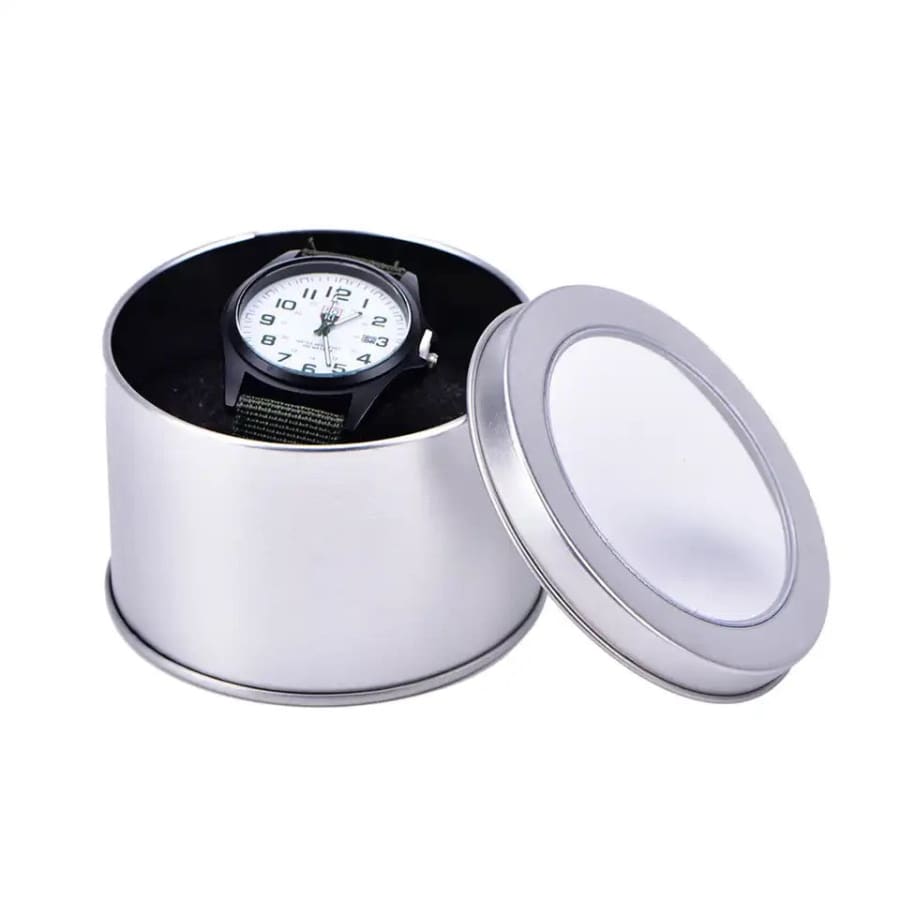
Use dedicated storage such as watch boxes or cushioned display cases to keep your timepieces protected when not in use. You can find protective storage options in the Watch Display Cushions & Boxes Collection.
2. Storing Watches in Humid or Damp Areas
Moisture is one of the biggest enemies of any watch, especially mechanical and leather-strap models.
Storing watches in bathrooms, kitchens, or other humid environments can lead to:
- Rust in metal components
- Fogging under the glass
- Strap deterioration (especially leather)
- Long-term internal damage
Even water-resistant watches are not designed for constant moisture exposure during storage.
Better solution:
Always store watches in a cool, dry environment. Adding silica gel packets inside storage boxes can also help reduce moisture levels.
3. Keeping Watches Loose in Drawers

Many people store watches loosely in drawers alongside keys, coins, or other accessories. This is one of the fastest ways to damage a timepiece.
Loose storage can cause:
- Deep scratches on the watch case
- Cracked crystals from impact
- Tangled or damaged straps
- Broken clasps or buckles
Even a single hard object can permanently damage a watch when stored carelessly.
Better solution:
Use padded compartments or dedicated watch organizers that keep each watch separated and secure.
4. Not Removing Sweat or Dirt Before Storage
After workouts, outdoor activities, or daily wear, watches often collect sweat, dust, and oils.
Storing a dirty watch can lead to:
- Strap discoloration
- Bad odors
- Corrosion on metal parts
- Sensor performance issues (for smartwatches)
This is especially important for smartwatch users who wear their devices during fitness activities.
Better solution:
Clean your watch regularly using a soft microfiber cloth before storing it.
Read About: How the Right Accessories Can Transform Your Watch Experience
5. Improper Storage of Smartwatches with Batteries
For smartwatch users, battery health is also affected by storage habits.
Leaving a smartwatch completely drained or fully charged for long periods can reduce battery lifespan.
Common mistakes:
- Storing at 0% battery
- Leaving it permanently on charge
- Ignoring software updates before storage
Better solution:
Store smartwatches with moderate battery levels (around 40–60%) and power them off if not used for extended periods.
6. Mixing Watches Without Protection

If you own multiple watches, stacking them together without protection is a serious mistake.
This can result in:
- Metal scratching against metal
- Strap deformation
- Crystal damage
- Clasp bending
Luxury and fashion watches are especially vulnerable to this type of damage.
Better solution:
Use individual compartments or cushioned slots to separate each timepiece safely.
7. Using Poor-Quality or No Storage Accessories
Many watch owners underestimate the importance of proper storage accessories.
Cheap boxes or no storage system at all can lead to long-term damage.
A good watch storage system should provide:
- Cushioning for each watch
- Protection from dust
- Secure separation
- Stable structure
Investing in quality storage is far more cost-effective than repairing or replacing damaged watches.
8. Ignoring Strap-Specific Storage Needs
Different strap materials require different care:
- Leather straps can crack if exposed to heat or moisture
- Silicone straps can deform if compressed
- Metal straps can scratch if stacked improperly
Better solution:
Store watches flat or on cushioned holders that support the natural shape of the strap.
You can also upgrade to durable replacement watch straps from That Watch Shop to reduce wear and extend usability.
Also Read: How to Match Your Watch Strap with Your Lifestyle
Final Thoughts
Proper storage is one of the most overlooked aspects of watch care, yet it plays a major role in extending the life of your timepieces. Simple mistakes like leaving watches exposed, storing them in humid environments, or mixing them without protection can lead to long-term damage.
By using proper watch storage solutions, keeping your watches clean, and avoiding careless habits, you can significantly extend the lifespan and appearance of your collection.
Whether you own a single smartwatch or a growing collection of luxury watches, investing in quality storage and accessories is essential. Explore watch straps, protective cases, cleaning accessories, chargers, and storage solutions at That Watch Shop and keep your timepieces safe, organized, and looking their best for years to come.